The causes of the decline of the Roman Empire, its rectification in the Middle Ages, and future prospects. Instead, the best is the analysis made by De Francisci of the various political and social factors and various attempts of the restoration of the late imperial period. He brings to light … Continue reading
Category Archives: Romanity
The Spirit of Roman Civilization (IV)
Roman upheavals, Asiatic cults and the end of the first Romanity. Since we nailed down the truly valuable and, for many, the illuminative, aspect of De Francisci’s new work in these terms, let’s allow ourselves to make some other points. First of all, in regard to origins: It is true … Continue reading
The Spirit of Roman Civilization (III)
Political power, spiritual authority, divine law, sin, divination, totalitarianism and freedom in Ancient Rome. In the order of the structural element, there is a specific element in the “civilization” of Rome, i.e., a hierarchy, in which the preeminence is reserved to political values: everything is assumed and organized in the … Continue reading
The Spirit of Roman Civilization (II)
It is a unitary and organic construction which, by being such, even permeates the political field, i.e., it also presupposes a political organization as the realizer and promoter of the fundamental values resting on the base of the organization itself. And in this special point, we see the contrast between … Continue reading
The Spirit of Roman Civilization
With this article from the December 1940 issue of La Vita Italiana, Evola takes up the idea of Romanity, and its continuity beyond the Roman Empire itself. While different from the mystical vision of Guido de Giorgio, based on Dante, it is equally spiritual. Following a conception of Spengler, the … Continue reading
Recapitulation
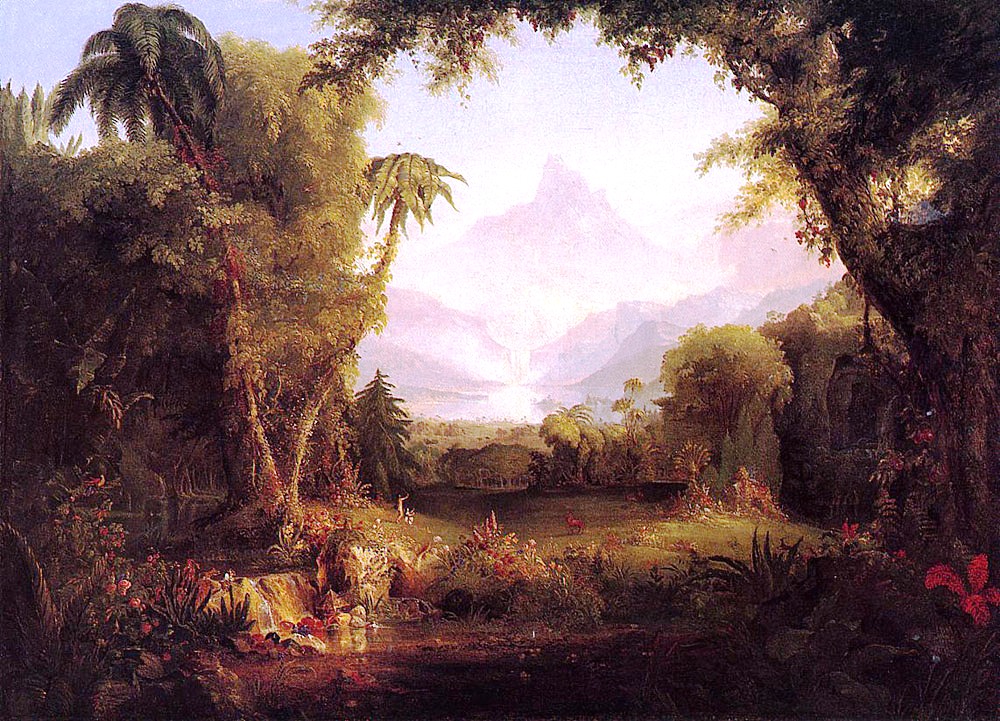
The doctrine of Recapitulation can be deduced from that of karma and sexual union. Continue reading
De Te Fabula Narratur
The citizen had no freedom of religion; either he participated in the religion of the city or he was banished. The hierarchy of family, tribe and city introduced the idea of a wider and wider influence of the gods, but the knowledge of the one god had been lost. Philosophers … Continue reading
Roma and Amor

Love conquers all and let us yield to love. Continue reading
Qualitative Civilization
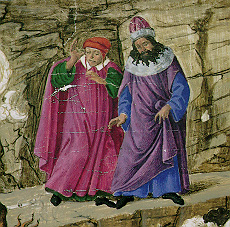
True progress will always respect the line of formal development of man. It will give rise to qualitative civilization such as was the civilization of Greece in the fourth century BC and, in a higher degree, the civilization of Western Europe in the thirteenth century. Continue reading